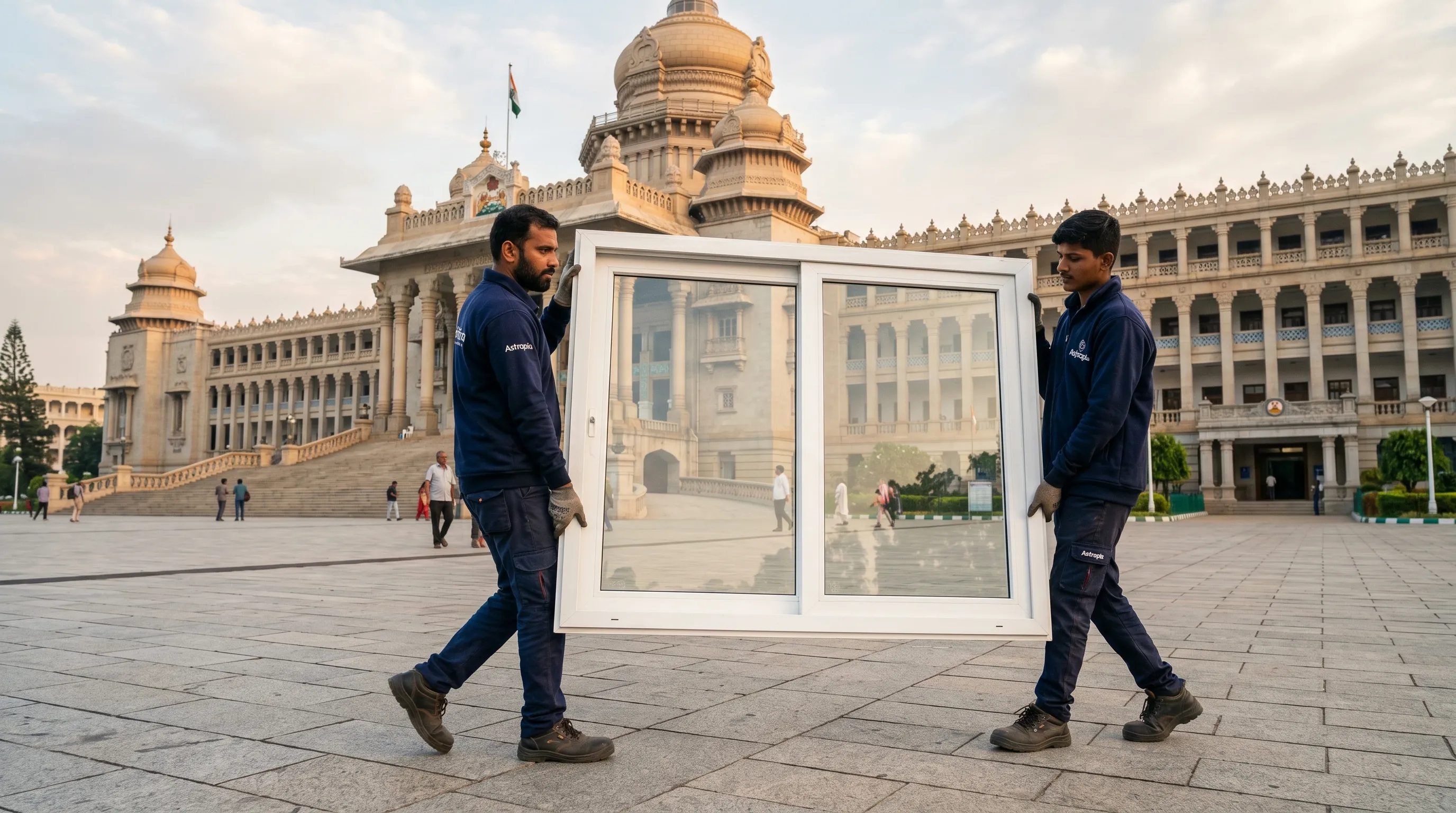
In a dynamic city like Bengaluru, where architectural innovation meets the challenges of urban living, selecting the right windows for your home or project is more critical than ever. As we look towards 2026, homeowners, architects, and builders are constantly seeking materials that offer not just aesthetic appeal, but also superior performance against local conditions. The choice often narrows down to three primary contenders: traditional wood, modern aluminium, and the increasingly popular uPVC. Among these, uPVC Casement Windows have emerged as a formidable option, offering a blend of style, durability, and efficiency.
Why Your Window Choice Matters in Bengaluru's Climate
Bengaluru’s unique climate and urban landscape present specific demands for building materials. From the heavy monsoon rains that can last for months to the pervasive dust from ongoing construction corridors, particularly in rapidly developing areas like Whitefield, Sarjapur Road, and Bellandur, windows need to be robust. Adding to this is the high ambient traffic noise across IT belts in Indiranagar, Koramangala, HSR Layout, BTM Layout, and Marathahalli, making effective sound insulation a necessity for peaceful living spaces.
Your windows are not just openings; they are crucial barriers against the elements, noise, and pollutants. They impact your home's energy efficiency, security, and overall comfort. Choosing wisely means investing in a solution that stands the test of time and addresses these local challenges head-on.
uPVC Casement Windows: The Modern Standard for Bengaluru Homes
Unplasticized Polyvinyl Chloride, or uPVC, has revolutionized the fenestration industry. Its inherent properties make it an ideal material for windows, especially in demanding environments. Casement windows, known for their versatility and excellent sealing capabilities, are a perfect match for uPVC technology. They pivot outwards on hinges, providing excellent ventilation and a clear, unobstructed view.
Key Advantages of uPVC Casement Windows:
- Superior Weather Sealing: Equipped with advanced multi-chamber profiles and high-quality TPE gaskets, uPVC Casement Windows offer exceptional resistance to Bengaluru's heavy monsoons, preventing water ingress and drafts.
- Noise Reduction: The inherent material properties of uPVC, combined with multi-chamber designs and double-glazing options, significantly reduce external noise, bringing tranquility to homes in bustling areas.
- Dust and Pollution Barrier: The tight sealing offered by uPVC profiles and TPE gaskets acts as an effective barrier against dust and pollutants, keeping your interiors cleaner and healthier.
- Energy Efficiency: uPVC is a natural insulator. Its multi-chamber design traps air, significantly reducing heat transfer and helping maintain comfortable indoor temperatures, thus lowering energy bills.
- Low Maintenance: Unlike other materials, uPVC does not rot, rust, warp, or fade. It requires minimal cleaning, saving you time and effort.
- Durability and Longevity: uPVC windows are built to last, resisting UV radiation, corrosion, and impact.
Astrapia uPVC Windows & Doors, established in Bengaluru in 2010, has been at the forefront of providing premium uPVC solutions, manufactured to global standards right here in India. Our profiles are CIPET-certified and compliant with ISO 9001:2015, 14001, and 45001 standards, ensuring unparalleled quality and reliability for your Bengaluru property.
uPVC vs. Wood: A Timeless vs. A Future-Proof Choice
Wood windows possess an undeniable charm and classic aesthetic that has graced homes for centuries. However, when juxtaposed with the demands of a modern city like Bengaluru, their practical limitations become apparent.
Wood Windows:
- Aesthetics: Natural beauty, warmth, and traditional appeal.
- Maintenance: Requires regular painting, varnishing, and treatment to prevent warping, rotting, and termite infestation, especially in humid conditions.
- Durability: Susceptible to moisture damage, insect attacks, and degradation over time if not diligently maintained.
- Weather Performance: Can swell or shrink with humidity changes, leading to drafts and poor sealing. Less effective against heavy monsoon and dust without constant upkeep.
- Cost: High initial cost for quality timber, coupled with significant ongoing maintenance expenses.
- Sustainability: While a natural resource, concerns exist regarding sustainable sourcing and deforestation.
uPVC Casement Windows:
- Aesthetics: Modern, sleek designs available in various finishes and colours, including wood-grain laminates, offering versatility without the maintenance.
- Maintenance: Virtually maintenance-free; simply wipe clean.
- Durability: Highly resistant to rot, rust, termites, corrosion, and UV degradation. Designed for long-term performance.
- Weather Performance: Exceptional sealing with TPE gaskets ensures superior protection against monsoons, dust, and noise. No swelling or shrinking.
- Cost: Competitive initial cost with virtually no ongoing maintenance expenses, offering excellent long-term value.
- Sustainability: Fully recyclable and has a lower carbon footprint in manufacturing compared to many materials.
For homeowners in Bengaluru seeking a blend of classic elegance and modern performance, uPVC offers the best of both worlds, without the significant upkeep associated with wood.
uPVC vs. Aluminium: The Practicality Showdown
Aluminium windows are often chosen for their sleek, slender profiles and strength, offering a contemporary look. They are lightweight and resistant to rust. However, a deeper comparison reveals areas where uPVC often outperforms aluminium, particularly in energy efficiency and noise reduction.
Aluminium Windows:
- Aesthetics: Modern, slim sightlines, and available in many colours.
- Strength: Strong and durable, allowing for large glass panes.
- Thermal Performance: Aluminium is a highly conductive material. Without a thermal break, it easily transfers heat and cold, leading to poor energy efficiency and condensation. Even with thermal breaks, it typically underperforms uPVC.
- Noise Reduction: Its conductive nature and typically less robust sealing (compared to uPVC with TPE gaskets) can make it less effective at noise insulation.
- Maintenance: Relatively low maintenance, does not rust.
- Cost: Can be more expensive than uPVC, especially for thermally broken options.
uPVC Casement Windows:
- Aesthetics: Contemporary designs, available in various finishes, including slim profiles that mimic aluminium, and can be customized to suit any architectural style.
- Strength: Excellent structural integrity, reinforced with steel where needed for larger openings, ensuring robustness.
- Thermal Performance: Inherently insulating material with multi-chamber profiles, significantly reducing heat transfer and improving energy efficiency.
- Noise Reduction: Superior noise insulation capabilities due to its non-conductive nature, multi-chamber design, and advanced TPE gaskets.
- Maintenance: Extremely low maintenance, resistant to corrosion and fading.
- Cost: Generally more cost-effective than thermally broken aluminium, offering better value for thermal and acoustic performance.
While aluminium offers strength and modern aesthetics, uPVC Casement Windows provide a more balanced solution for energy efficiency, noise reduction, and overall comfort, crucial for Bengaluru's varied climate. For a comprehensive look at our offerings, you can explore all uPVC products designed to meet diverse architectural needs.
Beyond Material: What to Look for in uPVC Casement Windows
Choosing uPVC is a great start, but the quality of the uPVC product itself varies significantly. When evaluating uPVC in Bengaluru, consider these critical factors:
- Profile Quality: Look for robust, multi-chambered profiles that enhance insulation and strength. Astrapia uses CIPET-certified profiles, ensuring superior material composition and dimensional stability.
- Gasket System: The sealing mechanism is paramount. Ensure the windows use high-quality TPE gaskets for optimal weather-tightness, dust sealing, and noise reduction. Inferior gaskets can lead to drafts and leaks.
- Hardware: High-quality, corrosion-resistant hardware (hinges, locks, handles) is essential for smooth operation, security, and longevity.
- Glazing Options: Depending on your needs, choose between single, double, or even triple glazing. Double-glazed units (DGU) are excellent for thermal and acoustic insulation, highly recommended for Bengaluru's noise and climate.
- Installation Expertise: Even the best windows perform poorly if installed incorrectly. Ensure your supplier provides professional, experienced installation teams.
- Certifications: Verify that the manufacturer adheres to international quality standards. Astrapia's ISO 9001:2015, 14001, and 45001 certifications speak to our commitment to quality and environmental responsibility.
Making the Right Choice for Your Bengaluru Home in 2026 and Beyond
As Bengaluru continues its growth trajectory, the demand for smart, sustainable, and high-performance building solutions will only intensify. For homeowners, architects, and builders, the decision between uPVC, wood, and aluminium for windows, especially uPVC Casement Windows, is clear when considering the long-term benefits.
While wood offers traditional charm and aluminium provides a sleek look, uPVC Casement Windows deliver an unparalleled combination of energy efficiency, noise reduction, weather protection (thanks to advanced TPE gaskets), low maintenance, and durability. They are a future-proof investment that enhances comfort, reduces operational costs, and contributes to a healthier living environment, perfectly suited for the dynamic challenges of Bengaluru's climate and urban life.
Explore Astrapia's range of premium uPVC Casement Windows and experience the difference that quality craftsmanship and thoughtful design can make for your home or project in Bengaluru. Connect with our experts today to find the ideal window solution tailored to your specific needs.