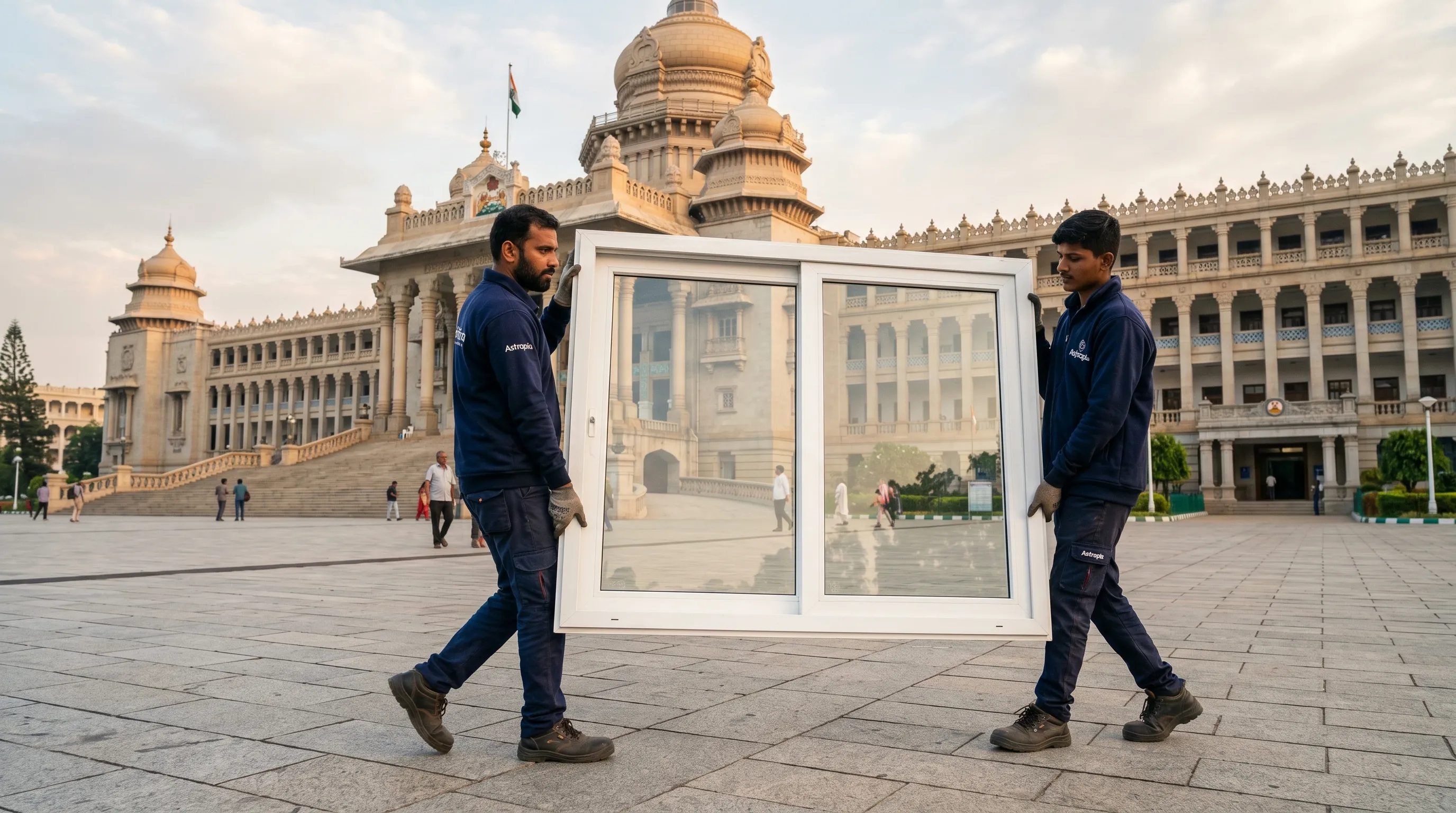
As Bengaluru continues to expand vertically in 2026, high-rise living has become the definitive hallmark of the city's modern residential landscape. From the sprawling, ultra-modern residential complexes in Whitefield and Sarjapur Road to the premium high-rises in Bellandur, Marathahalli, and HSR Layout, living on upper floors offers spectacular panoramic views and refreshing breezes. However, high-rise apartments present unique environmental challenges that ground-level homes rarely encounter. High wind pressures, torrential monsoon downpours, relentless construction dust, and the ambient hum of traffic require specialized architectural solutions. Standard doors and windows are no longer sufficient to secure comfort and structural safety. To ensure optimum insulation, acoustic comfort, and weather resistance, discerning homeowners, architects, and builders are turning to high-performance uPVC Casement Doors designed specifically for elevated urban living.
The High-Rise Challenge: Wind Load and Monsoon Resilience
Living on the fifteenth or thirtieth floor of a high-rise building in Bengaluru brings unparalleled views, but it also exposes the building envelope to extreme physical forces. As altitude increases, wind velocity rises exponentially. A high-rise apartment in Marathahalli or Bellandur faces wind loads that can easily rattle, warp, or damage substandard door installations. When these high winds are coupled with Bengaluru's intense monsoon seasons, the risk of water seepage and structural failure increases dramatically.
The Impact of Altitude on Wind Velocity
Wind pressure behaves differently at higher elevations. Standard sliding doors, while convenient for saving space, often struggle to maintain structural integrity under high wind loads because they rely on tracks and rollers that allow a small amount of play. Under extreme pressure, this play can lead to whistling sounds, air leakage, and even structural deformation. High-performance casement doors address this issue through their design. When closed, the sash of a casement door presses firmly against the frame, distributing the wind pressure evenly across the entire structural opening. This pressure-equalized design ensures that the door remains completely stable, silent, and secure, even during the most severe pre-monsoon squalls.
Monsoon Protection and Watertight Seals
Bengaluru's heavy monsoon rains are often accompanied by driving winds that push water horizontally against building facades. If the doors are not perfectly sealed, water can easily seep into the living room, damaging expensive wooden flooring, carpets, and drywall. To prevent water ingress, premium casement systems utilize a compression-sealing mechanism. The key to this flawless seal is the integration of advanced dual-component TPE gaskets. Unlike low-quality alternatives that degrade under UV exposure, a high-quality TPE seal retains its flexibility and elasticity over decades. When the multi-point locking system is engaged, the sash compresses the TPE gasket tightly against the frame, forming an impenetrable barrier against rainwater, ensuring your high-rise home remains dry and secure.
Acoustic Insulation: Blocking Bengaluru's IT Belt Traffic Noise
Noise pollution is a persistent challenge in Bengaluru's rapidly growing IT corridors. High-rise apartments situated near major arterial roads, flyovers, and commercial hubs like outer Sarjapur Road, BTM Layout, and Marathahalli are constantly exposed to the clamor of traffic, honking, and construction. Because sound waves travel upward, upper-floor apartments often experience amplified ambient noise levels, disrupting peace, sleep, and productivity.
The Science of Soundproofing with Casement Profiles
Achieving a quiet indoor environment requires a combination of multi-chambered profile engineering and precise sealing. Casement doors are inherently superior to sliding doors for soundproofing because of their airtight closure mechanism. When you close a casement door, the multi-point locking system pulls the sash tight against the frame, eliminating any gaps where sound waves could leak through. This tight seal, combined with the continuous TPE gasket run along the perimeter of the frame, blocks air-to-air sound transmission effectively.
Optimizing with Double and Triple Glazing
To maximize sound reduction, these premium profiles are engineered to accommodate thick double or triple-glazed glass units with varying glass thicknesses. This configuration disrupts sound waves of different frequencies, significantly lowering the decibel levels inside your home. Whether you are working from home in a high-rise apartment in Whitefield or relaxing in a premium residence in Indiranagar, installing advanced casement systems allows you to enjoy a serene, noise-free indoor environment despite the bustle of the city outside.
Dust and Pollution Defense for Urban Homes
With ongoing infrastructure projects, metro rail expansions, and real estate development, dust control is a daily struggle for Bengaluru residents. Fine particulate matter and construction dust from expanding corridors like Sarjapur Road and Bellandur easily find their way into high-rise apartments, settled on furniture and affecting indoor air quality.
Why Compression Sealing Beats Brush Seals
Many traditional sliding door systems rely on brush seals to bridge the gap between sliding panels. While brush seals are adequate for preventing large debris from entering, they fail to block fine dust particles and microscopic pollutants. Casement doors, on the other hand, employ a physical compression seal. The sash physically compresses the TPE seal when locked, leaving absolutely no clearance for dust, pollen, or outdoor pollutants to bypass the system. For families concerned about respiratory health and indoor air quality, investing in premium uPVC in Bengaluru is a proactive step toward creating a healthier, cleaner living space.
Energy Efficiency and HVAC Performance
An airtight seal does more than just keep out dust; it also prevents cooled air from escaping. High-rise apartments are exposed to direct sunlight for long hours, increasing the thermal load on the building. When you run your air conditioning, any air leakage around doors and windows forces the HVAC system to work harder, leading to high energy bills. The superior thermal insulation of multi-chambered uPVC profiles, paired with the airtight compression of TPE gaskets, keeps the heat out and the cool air in, resulting in significant energy savings year-round.
Structural Integrity, Testing, and Safety Standards
When selecting doors for high-rise buildings, structural safety and material durability are non-negotiable. The materials used must be robust enough to withstand high wind loads, intense tropical UV radiation, and daily wear and tear without losing their structural properties or aesthetic appeal.
Certified Performance for High-Rise Environments
Astrapia, established in 2010 in Bengaluru, has been at the forefront of manufacturing premium uPVC profiles tailored specifically for the demanding Indian climate. These profiles are CIPET-certified, ensuring they meet rigorous national and international standards for tensile strength, impact resistance, and weatherability. Manufactured in a state-of-the-art facility, the profiles comply with ISO 9001:2015, ISO 14001, and ISO 45001 standards. This meticulous attention to quality control guarantees that the profiles will not warp, fade, or crack, even when exposed to the intense sunlight and high wind pressures of Bengaluru's tallest towers.
Multi-Point Locking and Galvanized Steel Reinforcement
To provide exceptional structural strength, all profiles are internally reinforced with heavy-duty galvanized steel sections. This reinforcement ensures that the frame and sash can support large, heavy glass panes safely. Additionally, the integration of advanced multi-point locking systems secures the door sash to the frame at multiple points along the perimeter. This not only enhances security against potential break-ins but also ensures uniform compression of the TPE gasket, maintaining the airtight and watertight seal across the entire height of the door. Exploring all uPVC products can help you design a comprehensive, secure, and matching fenestration system for your entire home.
Architect's Choice: Aesthetics and Customization
While performance is critical, modern homeowners and architects in premium neighborhoods like Koramangala, Indiranagar, and HSR Layout also demand high aesthetic standards. Modern high-rise apartments feature sophisticated interior designs that require doors and windows to blend seamlessly with the overall architectural theme.
Design Versatility and Premium Finishes
uPVC casement doors offer incredible design versatility. They can be configured as single-sash doors, double-sash French doors, or combined with fixed transoms and side lites to create expansive glass walls that maximize natural light and views. In terms of finishes, while classic white remains a popular choice for minimalist designs, premium wood-grain laminates like golden oak, dark oak, and walnut add warmth and luxury to traditional interiors. For contemporary high-rises, sleek charcoal grey or architectural bronze finishes provide a clean, industrial aesthetic that perfectly complements modern urban design trends.
A Wise Investment for Bengaluru's High-Rise Homes
Choosing the right fenestration system for a high-rise apartment is a long-term investment in comfort, safety, and energy efficiency. Standard sliding systems often fall short when faced with the extreme wind pressures, driving rains, traffic noise, and dust pollution characteristic of Bengaluru's premier residential corridors. High-performance uPVC casement doors, engineered with multi-chambered profiles, robust steel reinforcements, and high-performance TPE gaskets, deliver the ultimate protection, durability, and aesthetic elegance. Whether you are building a new luxury apartment or upgrading your existing high-rise home, consulting with experts will help you choose the ideal configurations for your specific needs.