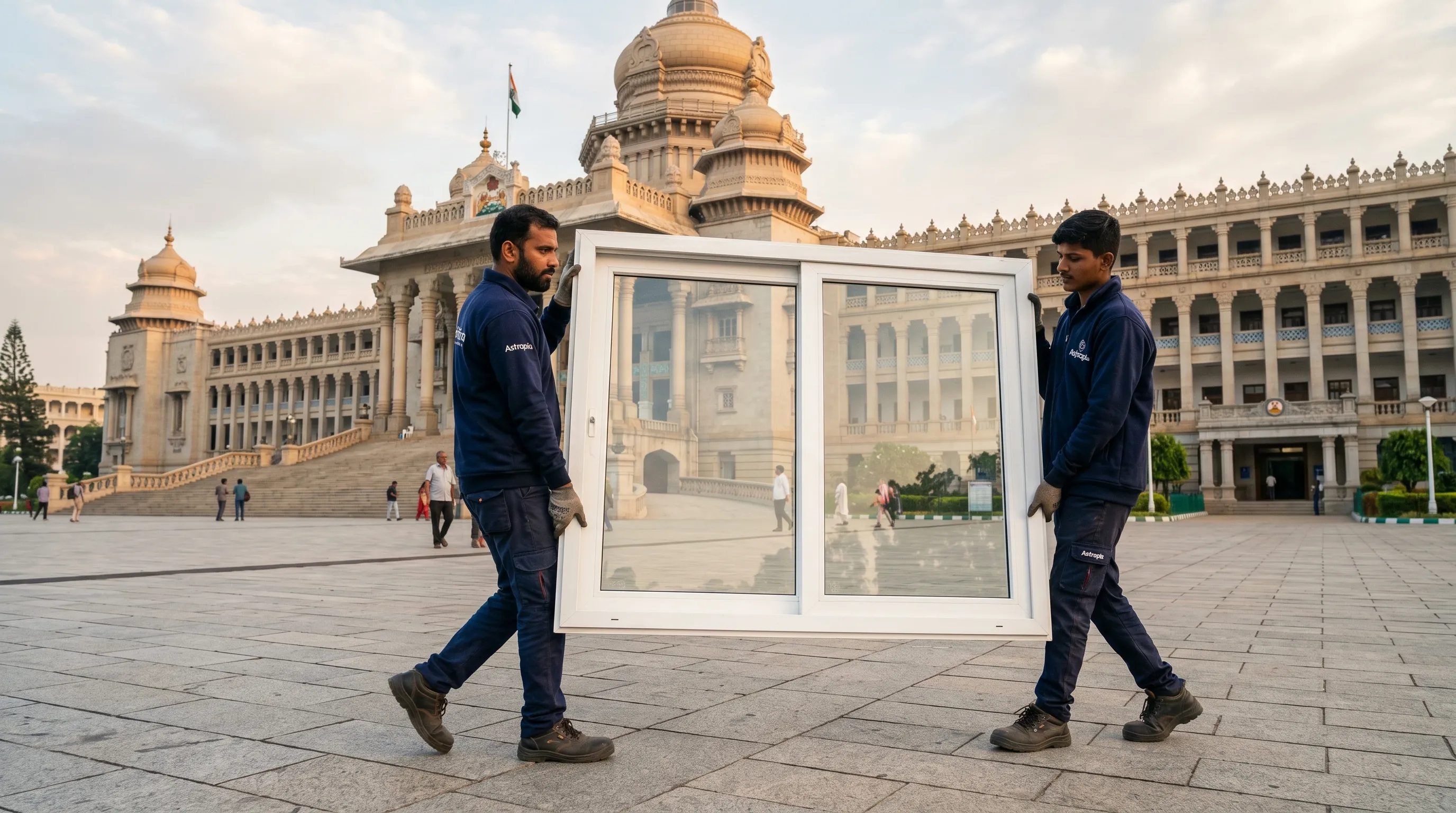
As Bengaluru charges ahead into 2026, its dynamic growth brings with it unique challenges for homeowners, architects, and builders. From the bustling tech corridors of Whitefield and Sarjapur Road to the established neighbourhoods of Indiranagar and Koramangala, properties face an onslaught of heavy monsoons, persistent dust from ongoing construction, and the ever-present drone of traffic noise. In this environment, every element of your home's construction matters, none more so than its ventilation system. While traditional materials like wood and aluminium once dominated, the modern demand for efficiency, durability, and comfort points decisively towards advanced solutions. This is where uPVC Ventilators emerge as the clear leader, offering unparalleled performance designed for the specific conditions of our Garden City.
The Evolving Bengaluru Home: Why Your Ventilators Matter More Than Ever
Bengaluru's rapid urbanisation has transformed its landscape, affecting everything from infrastructure to air quality and noise levels. Residents in areas like HSR Layout, BTM Layout, Marathahalli, and Bellandur are acutely aware of these changes. The heavy monsoon season, a defining characteristic of Karnataka's climate, tests the resilience of every building component. Coupled with the fine dust particles omnipresent in major construction zones and the increasing ambient traffic noise, selecting appropriate building materials is no longer just about aesthetics – it's about safeguarding comfort, health, and property value.
Ventilators, often overlooked compared to larger windows and doors, play a crucial role in maintaining indoor air quality, preventing moisture buildup, and ensuring passive air circulation. However, if not chosen wisely, they can become weak points, allowing dust ingress, noise penetration, and succumbing to the harsh weather. For 2026, the discerning choice isn't just about ventilation; it's about robust, long-lasting, and climate-responsive ventilation.
uPVC Ventilators: A Deep Dive into Modern Performance
Unplasticized Polyvinyl Chloride, or uPVC, has revolutionized the fenestration industry, offering a material that is both incredibly durable and highly adaptable. For ventilators, uPVC provides a host of benefits that directly address Bengaluru's environmental challenges:
- Exceptional Weather Resistance: uPVC is inherently impervious to moisture, meaning it will not swell, warp, rot, or corrode, even during Bengaluru's most intense monsoons. This makes it a far superior choice to materials that degrade with constant exposure to humidity and rain.
- Superior Thermal Insulation: The multi-chambered design of Astrapia's uPVC profiles traps air, creating an effective barrier against heat transfer. This helps maintain a more stable indoor temperature, reducing reliance on air conditioning and contributing to lower energy bills – a significant advantage in Bengaluru's varying climate.
- Outstanding Acoustic Insulation: The dense, multi-chambered structure of uPVC, combined with precision-engineered frames and high-quality TPE gaskets, significantly reduces noise transmission. For homes in bustling areas like Koramangala or near major arterial roads, this translates directly into a quieter, more peaceful indoor environment, shielding residents from traffic noise and urban clamour.
- Minimal Maintenance: Unlike wood that requires regular painting or varnishing, or aluminium that can accumulate grime in its crevices, uPVC ventilators only need occasional cleaning with a damp cloth to retain their pristine appearance. This saves homeowners significant time and money over the lifespan of the product.
- Durability and Longevity: Astrapia uPVC profiles are designed for resilience. They are resistant to UV radiation, preventing discolouration and degradation under the Indian sun. Their robust construction ensures they stand the test of time, offering exceptional longevity without compromising performance. Our commitment to quality is underscored by our CIPET certification and ISO 9001:2015, 14001, and 45001 compliance, ensuring every product meets rigorous international standards.
uPVC vs. Wood Ventilators: A Bengaluru Perspective
For generations, wood has been a traditional choice for home construction in India, revered for its classic aesthetic. However, in the context of Bengaluru's climate and modern living, its limitations, particularly for ventilators, become glaringly apparent.
The Allure and Limitations of Wood:
Wood offers a natural, warm aesthetic that can complement certain architectural styles. Its traditional appeal is undeniable, and for some, it evokes a sense of timeless elegance. However, for a functional element like a ventilator, wood presents several practical drawbacks:
- Vulnerability to Monsoons: Wood is highly susceptible to moisture absorption. Bengaluru's heavy monsoons cause wood to swell, warp, and crack, leading to air and water leakage. Over time, this leads to structural compromise and an unappealing appearance.
- Termite Infestation: Termites are a persistent problem in many parts of India, and wooden ventilators are prime targets. Infestation can severely weaken the structure and necessitate costly repairs or replacements.
- High Maintenance: To protect against moisture, insects, and decay, wooden ventilators require regular painting, varnishing, and treatment. This ongoing maintenance is both time-consuming and expensive.
- Environmental Concerns: Sourcing quality timber sustainably is becoming increasingly challenging, and the environmental impact of deforestation is a growing concern.
uPVC: The Superior Alternative:
uPVC ventilators overcome every one of these challenges. They are completely impervious to water, eliminating concerns about warping, rotting, or swelling during the monsoons. They are also immune to termite attacks, providing a worry-free solution for years. The minimal maintenance required for uPVC means you can enjoy the benefits of excellent ventilation without the constant upkeep associated with wood. Moreover, uPVC is a recyclable material, offering a more environmentally conscious choice without compromising performance or aesthetics.
uPVC vs. Aluminium Ventilators: The Practical Choice for 2026
Aluminium emerged as a popular alternative to wood due to its perceived durability and lighter weight. However, when evaluated against uPVC, especially for Bengaluru's specific conditions, aluminium reveals significant performance gaps.
Aluminium: Perceived Durability, Hidden Drawbacks:
Aluminium is lightweight and naturally resistant to rust, which made it an attractive option for many years. It is also relatively strong for its weight. However, its metallic nature introduces several disadvantages:
- Poor Thermal Insulation: As a metal, aluminium is an excellent conductor of heat and cold. This means that aluminium ventilators readily transfer external temperatures indoors. During hot Bengaluru afternoons, they can contribute to heat gain, and on cooler evenings, they can allow heat to escape, making your home less energy-efficient.
- Limited Acoustic Insulation: Aluminium profiles are typically thinner and less dense than uPVC. This, combined with their conductive properties, means they offer very poor sound insulation. For homes in noisy areas like Whitefield, Sarjapur Road, or near construction sites, aluminium ventilators do little to block out the incessant traffic and construction noise.
- Condensation Issues: The significant temperature difference between the inside and outside of an aluminium frame can lead to condensation buildup, especially during humid conditions. This can result in moisture damage to surrounding walls and promote mould growth.
- Prone to Denting and Corrosion: While resistant to rust, aluminium can corrode through galvanic action when in contact with certain other metals. It is also more prone to denting and scratching than robust uPVC profiles, affecting its long-term appearance.
- Dust Accumulation: The static charge and surface characteristics of some aluminium finishes can attract dust, making them harder to keep clean, a significant drawback in dust-prone Bengaluru.
uPVC: Unmatched Performance & Comfort:
Astrapia's uPVC in Bengaluru offers a stark contrast. Its inherent material properties and multi-chambered design provide superior thermal insulation, ensuring your indoor environment remains comfortable year-round. Critically, uPVC's excellent acoustic insulation properties mean a quieter home, shielding you from the city's hustle and bustle. The precision-fit frames, combined with high-performance TPE gaskets, create an airtight seal that not only prevents dust and water ingress but also enhances soundproofing. This means healthier indoor air quality, reduced noise pollution, and greater energy efficiency for your Bengaluru property.
Astrapia: The Mark of Quality for Your Bengaluru Property
Established in Bengaluru in 2010, Astrapia uPVC Windows & Doors has grown to become a trusted name synonymous with quality and innovation. We understand the specific needs of Indian homes and the unique environmental challenges presented by cities like Bengaluru. Our commitment to excellence is reflected in every product we manufacture.
All Astrapia uPVC profiles are proudly made in India and are certified by CIPET (Central Institute of Plastics Engineering & Technology), ensuring they meet stringent quality and performance benchmarks. Furthermore, our manufacturing processes adhere to international standards, holding ISO 9001:2015, 14001, and 45001 certifications. This dedication means you are investing in ventilators, and indeed all uPVC products, that are not only aesthetically pleasing but also engineered for superior functionality and longevity.
We meticulously design our uPVC Ventilators with multi-chambered profiles and integrate advanced TPE gaskets. These critical components work in unison to provide exceptional sealing against dust, rain, and noise, offering truly unparalleled performance for Bengaluru's diverse localities, from the high-rises of Bellandur to the spacious homes of Indiranagar. Choosing Astrapia means choosing a partner who understands your needs and delivers on the promise of quality, comfort, and durability.
As Bengaluru continues its journey into 2026 and beyond, the demands on our homes will only increase. Opting for Astrapia uPVC Ventilators ensures your property is equipped with a solution that outperforms traditional materials like wood and aluminium in every critical aspect: weather resistance, thermal and acoustic insulation, and minimal maintenance. Make the smart investment for your Bengaluru home – choose the modern standard for superior ventilation.