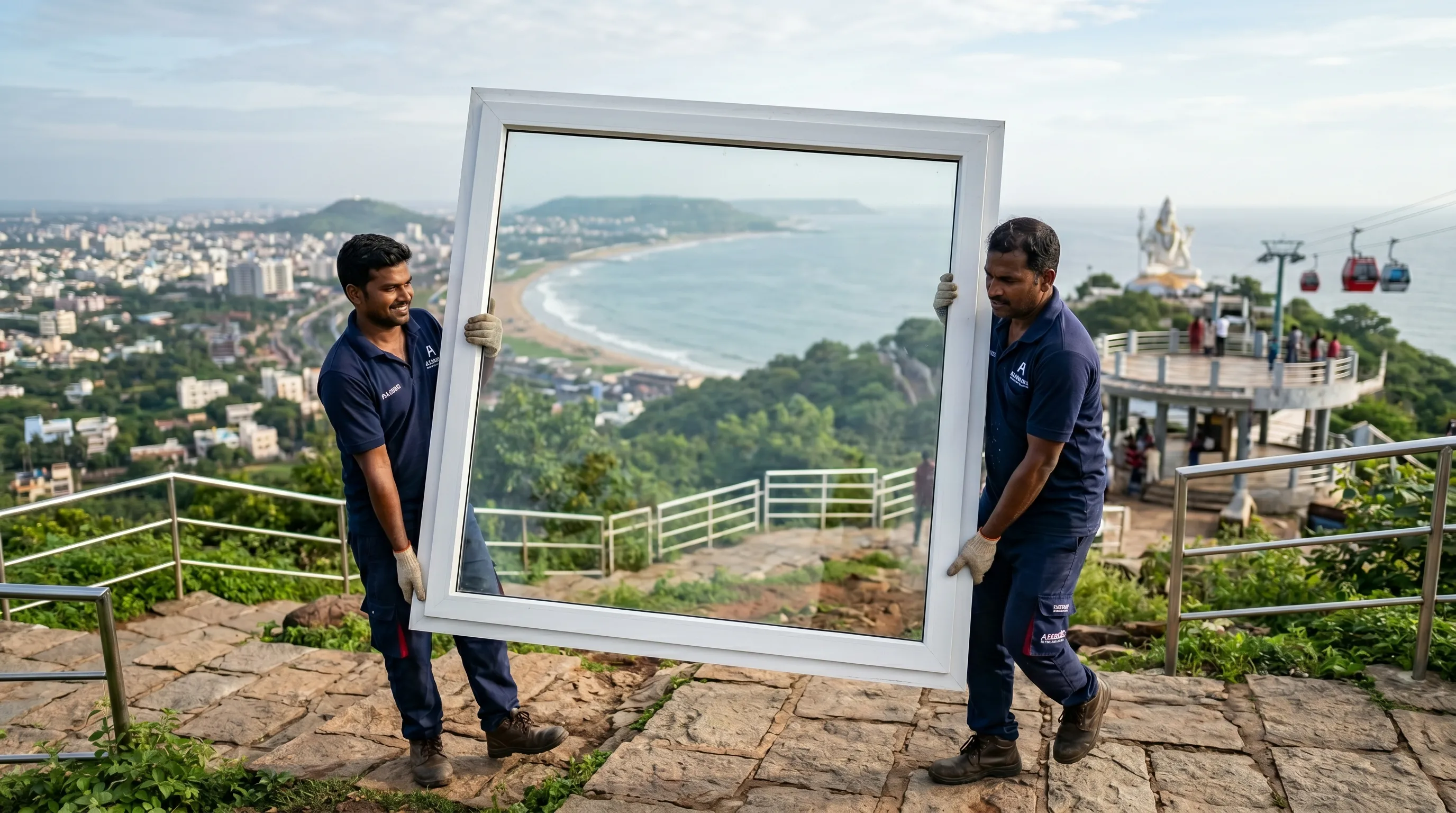
Visakhapatnam, with its breathtaking coastline and rapid urban development, presents a unique set of architectural challenges. As we navigate 2026, homeowners and architects across MVP Colony, Madhurawada, and Beach Road are prioritizing climate-resilient building materials. The city’s beautiful sea views come with a price: high coastal humidity, corrosive salt-laden air, and intense seasonal monsoons accompanied by cyclonic winds. Standard window systems often succumb to these harsh elements, leading to water seepage, structural damage, and whistling wind noises. To combat these challenges, installing high-performance Fixed Windows has emerged as the most reliable strategy for keeping indoor spaces dry, secure, and energy-efficient.
The Coastal Challenge: Why Vizag Monsoons Demand Heavy-Duty Waterproofing
The coastal climate of Vizag is notoriously demanding. During the monsoon season, residential and commercial properties in areas like Seethammadhara and Gajuwaka face heavy downpours driven by strong winds from the Bay of Bengal. Traditional wooden or low-grade aluminium windows often fail under this intense pressure. Wood absorbs moisture, leading to warping and jamming, while low-grade metals quickly corrode due to the high salt content in the air.
Water seepage during monsoons is not merely an inconvenience; it can cause severe structural damage. Damp walls lead to the growth of mold and mildew, which compromises indoor air quality and ruins expensive interior paint and woodwork. For high-rise apartments along Beach Road and the hills of Rushikonda, the wind load is exceptionally high. Windows must be able to withstand both the physical force of cyclonic winds and the relentless driving rain. This is where specialized engineering becomes crucial for modern coastal homes.
Why Fixed Windows are the Ultimate Barrier Against Rain and Wind
When it comes to absolute waterproofing, Fixed Windows offer an unmatched advantage. Unlike operable window styles that slide or swing on hinges, fixed windows are permanently sealed into the frame. This design eliminates sash-to-frame gaps, which are the primary pathways for water leaks and air drafts during heavy storms.
For homeowners looking for robust security and weather protection, incorporating fixed window designs into their architectural plans is highly effective. By choosing premium uPVC in Vizag, builders can create vast expanses of glass that offer uninterrupted panoramic views of the ocean without compromising on structural safety. Because there are no moving parts, the risk of mechanical failure during a storm is completely eliminated. The entire window acts as a solid, impenetrable shield against the elements, making it an essential component for any monsoon-proof home design in 2026.
The Science of Sealing: Why TPE Gaskets Outperform the Rest
The true waterproofing capability of a window lies in its sealing technology. While many standard windows use basic rubber seals that degrade quickly under the intense tropical sun, premium uPVC systems utilize advanced materials to ensure long-lasting performance. Astrapia uses high-grade TPE gaskets to provide a continuous, airtight, and watertight seal around the glass.
A TPE gasket (Thermoplastic Elastomer) is engineered to withstand extreme environmental stress. In coastal cities like Vizag, where temperatures fluctuate and UV radiation is intense, TPE seals remain flexible and resilient. They do not crack, shrink, or harden over time. This means that whether you are living in the windy heights of Rushikonda or the bustling streets of Dwaraka Nagar, your windows will maintain their original sealing integrity for decades. The multi-chambered profile design combined with double or triple glazing and co-extruded TPE gaskets ensures that rainwater is directed away from the interiors, keeping your home completely bone-dry even during severe cyclonic depressions.
Engineering Excellence: CIPET-Certified and Built for Indian Weather
Selecting the right brand for your coastal home requires looking at verified quality standards. Astrapia, established in 2010 in Bengaluru, has spent over a decade perfecting uPVC formulations specifically tailored for the diverse and extreme Indian climate. Our profiles are proudly made in India and manufactured in compliance with rigorous international standards, including ISO 9001:2015, ISO 14001, and ISO 45001 certifications.
To ensure maximum durability, Astrapia’s uPVC profiles are CIPET-certified. This certification guarantees that the uPVC compound is highly resistant to UV radiation, impact, and chemical exposure. In a coastal city like Vizag, the combination of salt-laden air and intense sunlight can cause cheap uPVC to discolor and become brittle. CIPET-certified profiles are specially formulated with high titanium dioxide content, ensuring they retain their brilliant white finish and structural strength year after year. This makes them a highly reliable investment for developers working on premium projects in Siripuram and Gajuwaka.
Designing with Fixed Windows: Aesthetics Meets Performance in 2026
In modern architecture, fixed windows are no longer just functional necessities; they are key design elements. Architects in 2026 are increasingly combining fixed windows with other operable window types to create stunning, light-filled spaces that remain secure. By exploring all uPVC products, designers can mix and match fixed frames with casement or sliding elements to achieve the perfect balance of ventilation and view.
Maximizing Natural Light in MVP Colony
In densely populated residential areas like MVP Colony, privacy and light are often at odds. Large fixed windows placed higher up on walls (transom windows) allow abundant natural light to flood the interiors while maintaining complete privacy. Because these windows do not need to be reached to open, they can be placed in hard-to-reach areas, serving as beautiful architectural light wells that are entirely waterproof.
Structural Integrity for High-Rises in Madhurawada
Madhurawada has seen a massive surge in high-rise residential towers. At higher altitudes, wind pressure increases exponentially. Standard windows can rattle and vibrate, causing anxiety for residents during storms. Large-format fixed windows engineered with robust uPVC profiles and steel reinforcements offer the necessary structural rigidity to handle high wind loads. When sealed with high-performance TPE gaskets, these installations ensure that residents can enjoy the dramatic monsoon skies without a single drop of water entering their living rooms.
Installation and Maintenance Tips for Vizag Homeowners
Even the highest quality uPVC window will fail to perform if it is not installed correctly. Professional installation is paramount, especially in coastal regions prone to heavy rain. The gap between the window frame and the concrete wall must be sealed using high-grade, weather-resistant silicone sealant. This creates a secondary barrier against water ingress.
Furthermore, maintaining uPVC fixed windows is remarkably simple compared to traditional materials. There are no complex hinges to oil or metal tracks to clean out. To keep your windows looking brand new, a simple routine is all that is required:
- Regular Cleaning: Wipe down the uPVC frames with a soft cloth and mild soapy water to remove salt deposits and dust.
- Check the Drainage: Ensure that the built-in water drainage slots in the outer frame are free from debris so that rainwater can escape freely.
- Inspect the Seals: Periodically check the TPE gaskets to ensure no physical damage has occurred from external forces.
Because uPVC is naturally resistant to rust, corrosion, termites, and fading, it remains the most cost-effective and low-maintenance option for coastal homes in Andhra Pradesh.
If you are planning to build or renovate your home in Vizag this year, investing in high-quality weatherproofing is the smartest decision you can make. Protect your property from the elements while enjoying expansive coastal views. Explore our range of premium uPVC in Vizag and find the perfect waterproof fixed windows to secure your home for the monsoons of 2026 and beyond.